Retaining wall blocks transcend their utilitarian beginnings and are now the masters of orchestrating the outdoor canvas. These versatile elements, which seamlessly blend aesthetics and function, are now essential elements of contemporary landscape design. This article explores the many benefits of retaining walls, and explains how they can change the look of outdoor areas.
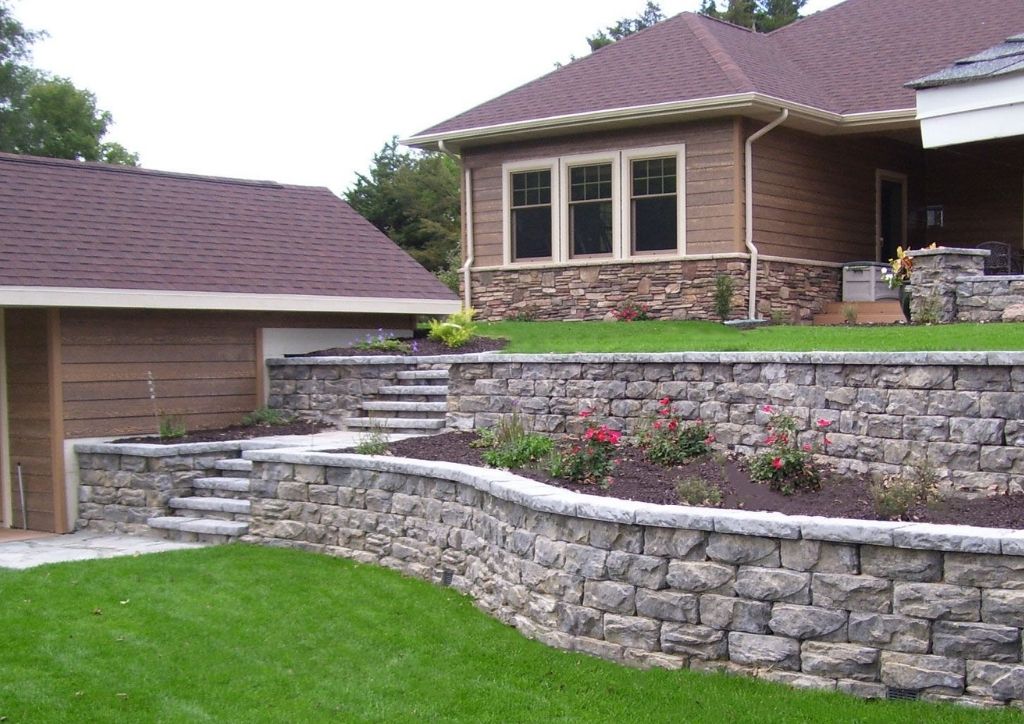
The retaining wall block has the potential to redefine traditional hardscape elements. It comes in a variety of sizes, colors, and shapes. It allows homeowners to express unique visions of their aesthetic. Made from the unfinished elegantness of natural stone or the sturdy embrace of concrete, these blocks provide a myriad of possibilities for design. Landscape architects see them as essential for creating harmonious outdoor spaces that reflect the individuality and uniqueness of the surroundings.
Guardians of Stability: Beneath Surface Allure
Beyond their visual allure, retaining wall blocks unfold a plethora of functional benefits. They are steadfast guardians of soil erosion and safeguard the outdoor areas from erosion runoff. They provide stability to the terrain, which is uneven or sloping changing irregular landscapes to well-groomed sanctuaries suitable for tranquil living outdoors or lush gardens.
Retaining wall blocks are an efficient and affordable option for property owners looking to enhance their landscaping. They are a cost-effective option because of their straightforward installation and minimal maintenance. These blocks contribute to visually stunning retaining walls. But they are also resistant to the elements and provide lasting durability without losing their visual appeal.
Versatile Sculptors: Defining Outdoor Living Areas
Retaining wall blocks transcend their functional role, evolving into sculptors that define and mark spaces for outdoor living. By integrating them strategically, property owners can curate distinct zones for diverse activities outdoor dining, relaxation, or gardening. Blocks aren’t just functional, but also serve as decorative elements. They can be used to create privacy barriers, or highlight particular landscape features like water installations or sculpture garden.
Precast concrete retaining wall landscaping blocks stand out due to their powerful stacking capacities. They support upto three courses in height before requiring geo-grid reinforcement to fortify the soil that lies behind them. To ensure greater stability and longevity, as walls get taller bigger configurations are required. These blocks are designed to be interlocking and provide an excellent foundation for landscaping. The incorporation of geo-grid reinforcements ensures longevity and resilience, fortifying the retaining walls against the strains created by the soil.
Selecting the Right Block for the Right Ambiance
The choice of retaining walls requires careful curation taking into consideration factors like size, shape texture, color and shape in harmony with the outdoor environment. When choosing walls for retaining, practical aspects like the capacity of soil retention and the height of the block are considered. This careful selection will not just structural integrity but also aesthetic harmony adding visual harmony to the overall design.
Conclusion: A Symphony of Resilience
In the end, retaining walls blocks can transform the landscape and aid in sustainable and durable landscape practices. With their endless design possibilities, capacity to stabilize and protect as well as the ability to define living areas, these subtle blocks can be considered as silent sentinels in redefining outdoor spaces and weaving a tale of peace and timelessness across the landscape. From simple elegance to practical strength, retaining wall blocks can be seen as the artists who shape the music of nature’s outdoors.
