Cooking well at home doesn’t require complex techniques or a spice rack full of unfamiliar ingredients. Understanding how flavors interact is crucial. It is important for any cook to understand which herbs work with different meats, such as salmon, pork or beef and how herbs interact during cooking.
Herbs serve different purposes depending on the meat. Certain herbs are excellent to cut through fat, and others are great for adding freshness or warmth, while others require heat to release their flavor. When herbs have been chosen with intention, the meals are balanced, not busy. Cooking becomes more intuitive.
What Herbs Go With Pork and Why They Work
Pork is naturally sweet and also has a significant fat content, which makes it a fantastic herb base. Knowing which herbs work best with pork is a way to avoid dishes tasting heavy or one-dimensional.
Sage and rosemary bring together richness and savoury depth. Thyme adds a gentle earthiness that can be found in braises, roasts, and pan-fried cuts. Fennel seeds are especially effective when used in slow-cooked dishes or sausages. While bay leaf imparts flavor to cooking dishes for long periods of time and parsley adds dish’s hue when it is added towards the end.
Herbs can be directly added to marinades or meats instead of serving to top-spice the meat. Pork is a great absorber of flavours.
Which Herbs Work Well With Beef Without Overpowering It
Beef is naturally bold, so herbs must be carefully selected to complement rather than compete. It is important to pick the right amount of intensity when selecting the right herbs for beef.
Woody herbs, like rosemary, thyme, or marjoram, resist high temperatures and long cooking durations. They are therefore ideal for braises, roasts, or steaks. Bay leaf slowly infuses stews with aroma and depth while sage provides a luscious flavor to slow-cooked meats. Oregano adds a sharp and delicious flavor to tomato sauces that contain minced meat.
Use stronger herbs on fattier cuts, like brisket and the ribeye, and lighter herb on lean cuts.
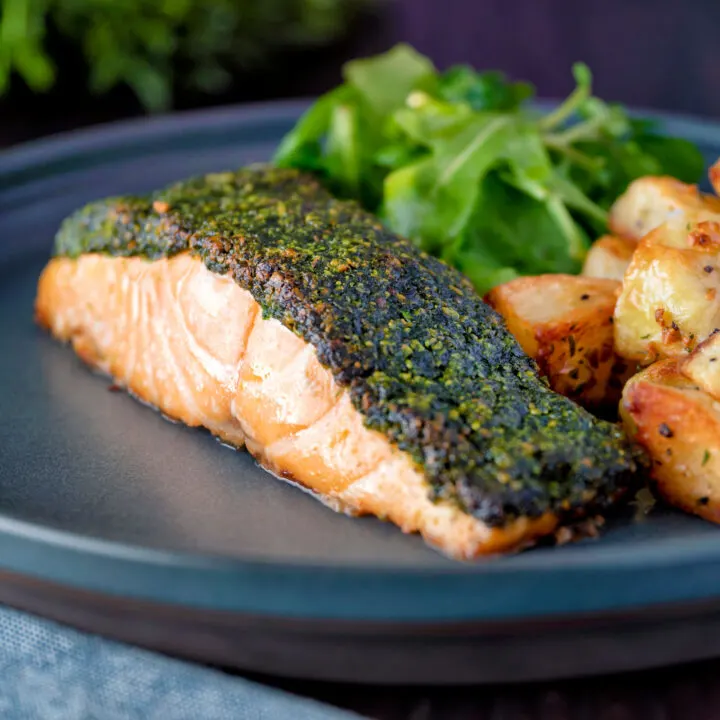
What herbs work best for salmon to balance it out However, they should not be weighty.
Herbs can bring freshness and contrast to salmon’s rich oily flesh. Understanding what herbs go with salmon helps prevent the dish from feeling overly heavy.
Dill remains a favorite because it enhances salmon without obscuring its flavor. Parsley and chives bring brightness, while the tarragon provides a subtle elegance that goes well with baked or poached food items. Basil is a great match with salmon that has been grilled and thyme brings warmth to roasting.
The flavor of delicate herbs is diminished by extended cooking. Citrus is also essential, as it helps herbs to appear vibrant and balanced.
What Herbs Work Well With Chicken Across Different Cuts
Its mild flavor makes chicken one of the most flexible proteins. The best herbs to use with chicken will depend on whether or not you’re cooking white or dark meat.
Roasting thyme or rosemary is a wonderful idea, particularly if you use skin-on pieces. Tarragon gives a refined flavor to wine-based or creamy sauces while oregano shines when cooking Mediterranean or grilled dishes. Sage adds warmth to butter sauces and pairs well with darker meat. You can use parsley as a garnish ingredient to give it a freshness.
Sliding herb butter under the skin prior roasting allows flavor to be infused into the meat while it cooks.
What Herbs Pair Well With Lamb? And how to Use them Confidently
Lamb has a strong, slightly gamey flavor that holds against strong herbs. Understanding the herbs that work best with lamb will allow you to enhance the flavor without overpowering it.
Rosemary and garlic are a classic combination. They cut through the deliciousness of food, and hold up well in grilling or roasting. Thyme as well as bay leaf and oregano are great for slow-cooked meals. In sauces or as a finishing ingredient mint and parsley give an element of freshness. Coriander is a refreshing addition to dishes that are spiced.
Lamb enjoys the benefits of a well-seasoned seasoning especially when cooked slow which absorb flavor over time.
Cooking With Intention, Not Uncertainty
Learning what herbs go with pork, beef, salmon, chicken, and lamb removes guesswork from every day cooking. It simplifies meal planning, allows for shopping with less hassle and provides more consistently good outcomes.
If herbs are utilized with purpose cooking becomes less of trial and error and more like a skill that you can trust.
