A manufacturer wins a major contract. The monthly production demands rise, but the facility hasn’t seen a sudden increase in flooring space, skilled workers, or hours in the daytime. Adding another shift might help in the short term, but it could be a source of new labor, training, supervision, and quality-control demands.
This situation reveals a key purpose for robotic automation. Robotics does not only replace people with machines. If used properly it could alter the way manufacturers make use of the resources they have.
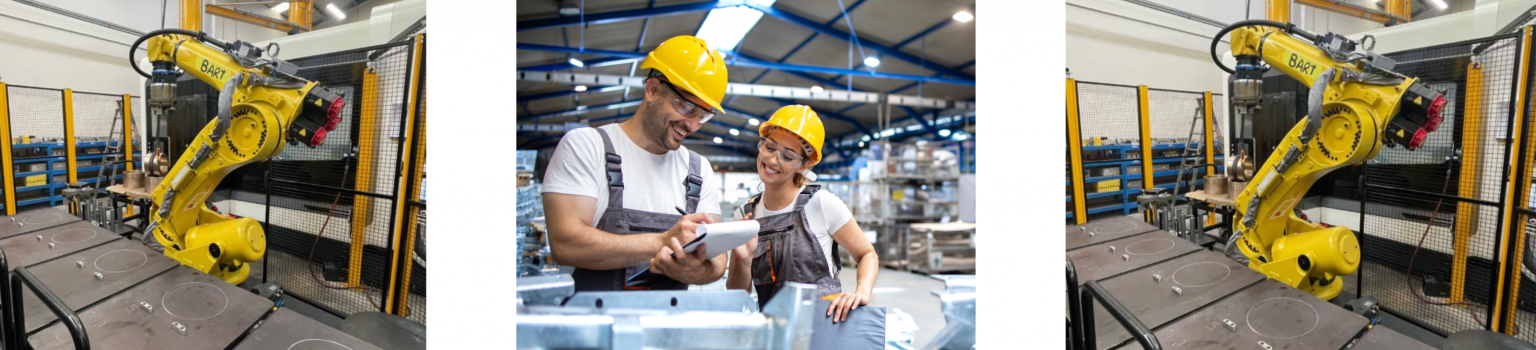
Image credit: automatedsolutions.com.au
Look at the Seconds That disappear between products
Inefficient manufacturing is not always evident. Suppose an operator spends 15 seconds positioning a component after which another 10 seconds are spent applying the material, and a few seconds moving it onto the next task. The difference might seem small for one component. Repeated thousands of times the seconds are substantial production time.
The same applies to wasted material. A small amount of additional coatings or dispensing material in a huge production run could result in the cost of a large amount.
Companies looking into robotic automation Australia projects may benefit from examining these small frequent losses prior to deciding what equipment they need. The needs analysis conducted by ASA is designed to find bottlenecks and waste, quality issues and other limitations to process that might affect an automation plan.
Robots must be able to be integrated into the process.
A robot is one of many engineering choices. The system might also require guarding, tools, controls, sensors fixtures, conveyors, electrical integration, and communication with the existing production equipment. Engineers should consider the payload, reach and range as well as how the robot will operate and interact with its environment.
ASA provides concept development, system design, CAD simulation, and offline programming as part of its approach to FANUC robotic automation. Engineers can look at system configurations and estimate cycles before the finalized system is placed on the floor of the factory. This is especially helpful when space is limited or if new robotics require to be incorporated into the existing lines of production.
Painting and Dispensing Show Why Repetability is Important
Certain manufacturing processes highlight the value of controlled movement especially well. Imagine coating hundreds of parts. Making components faster is the goal. The distance, movement speed, and application need be managed at the beginning of the production process until the point of completion.
ASA has specialists who work on painting and dispensing solutions across a range of industries including automotive as well as aerospace. In these settings industrial robotic automation may allow for repeatable, programmed movements and reduce exposure of employees to physical demands or potentially hazardous processes.
A better control system can also help reduce the unnecessary use of materials, leading to less waste, as well as productivity enhancements.
The installation of the system isn’t enough. Still, you need someone to maintain it.
Automation doesn’t eliminate the need for skilled manufacturing. Automation transforms the skills required to manage and control the manufacturing process.
Employees should be trained to use equipment safely in order to identify any abnormalities as well as troubleshoot components that are malfunctioning and carry out necessary maintenance. Production requirements may also alter, which means that processes and programs may require adjustment later.
ASA offers training on-site in safe operation, programming, troubleshooting, in addition to maintenance of electrical and mechanical systems. The company offers servicing and assistance for assessing the condition of equipment, and dealing with wear and tear throughout the life of the system.
Capacity refers to more than Being able to work faster
The expansion of capacity for Australian manufacturers doesn’t necessarily involve buying a bigger facility or adding more employees to repeat processes. The better question to ask is whether the existing manufacturing process is able to be improved.
ASA is designing and integrated automation solutions since 2002. It provides support to manufacturers in Australia and also international projects. The method is based on analysis of needs, engineering, simulations, FANUC robotic integration, training, and even servicing.
Automation for the sake of automation isn’t the objective. Any system that is worth investing in should provide a company with quantifiable results, including better production reliability, higher quality, more secure procedures as well as reduced waste or a higher capacity.
