The wastewater lift station in a municipality is old. The pumps are at the end of their service life, the controls need modernization, and the access hatch is deteriorating. The concrete wet well is sturdy and solid.
Do you think the station should be destroyed and rebuilt? Not necessarily. It is essential to determine if the infrastructure is able to support modern pumps without compromising capacity in the future as well as reliability or access.
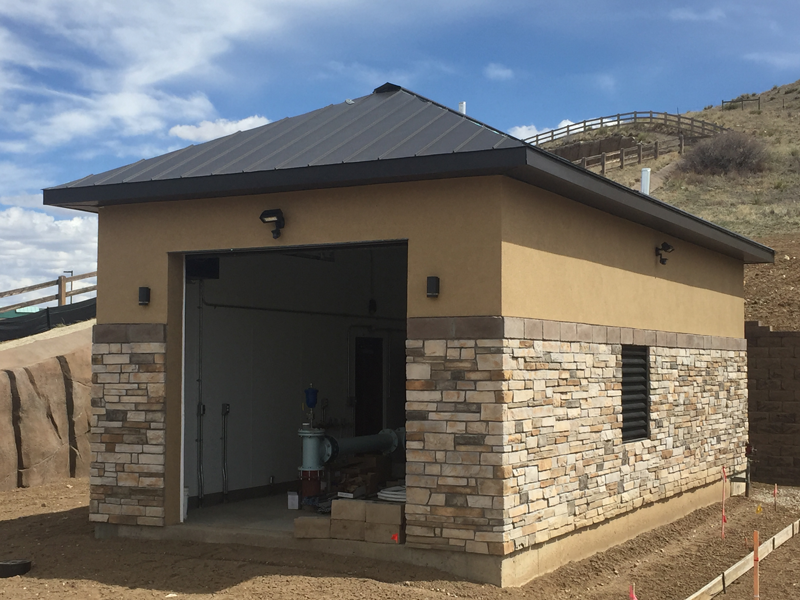
Image credit: romtecutilities.com
The retrofitting of a pumping station that is carefully designed can save valuable infrastructure while also replacing parts that are no longer in compliance with functional requirements.
Start with the Structure That No One Wants to Replace
Wet wells are often the most costly and disruptive element to replace because they are submerged and linked to existing pipes, and vital to wastewater collection.
Retaining a concrete construction that is still usable could make it easier to dig and build.
However, the deterioration around the hatch could complicate your choice. Romtec Utilities says that wet well hatches are often replaced as part of retrofits. Instead of affixing a fresh hatch to a damaged concrete structure and replacing the entire top slab may offer a more long-lasting solution. This approach can improve access and increase the usefulness of the structure without rebuilding the complete wet well.
A Powerful Pump Changes the Engineering
Let’s say a residential area has seen a significant increase in population since the initial lift station was constructed. The existing pumps might not be able with the growing flow of wastewater.
A pumping station upgrade could involve higher-horsepower pumps, but equipment selection cannot happen independently of the surrounding system.
Engineers must also consider the requirements of the hydraulic system, including the head of flow and total dynamic head. If you add a larger pump without evaluating these conditions the system could cause problems in operation instead of resolving these. The planning for future expansions at the time of your initial design process will make it much easier to grow later.
Make sure that the Wastewater is moved during Construction
Retrofitting an existing water pump station could be challenges that are new. In contrast to other replacement projects, this one will require continued operation during construction.
It is still a problem for wastewater to enter the system even when contractors are at work. According to the project the project, a temporary bypass pumping system is required to sustain service while the equipment that is in use is removed or new equipment is installed.
Romtec Utilities was able to address this kind of challenge at the Federal Law Enforcement Training Center in Brunswick, Georgia.
The work involved replacing two wastewater lift stations that were in use as well as maintaining the operation at the facility. The project was able to accommodate the existing footprints of stations as well the operational needs by utilizing local-specific engineering and integrated replacement systems. The example illustrates the importance of focusing on construction sequencing before the construction process starts.
In the event that replacement is not an option, it’s the best alternative, then replacement is the best
Some stations may not be suited for rehabilitation. A seriously damaged wet well or a structural weakness or significant changes in hydraulic requirements may make the sewer lift station replacement more appropriate than changing the existing installation.
In making a decision, it is important to consider the structural condition of the structure, its compatibility to equipment, access to construction sites, service continuity and the long-term requirements. Romtec Utilities begins retrofits and replacements by identifying elements to be left in place and those which need replacement.
The business will then design sites-specific engineering designs, budget estimates, as well as preliminary designs. Prefabricated components can also help organize installation and reduce some construction-related requirements on site.
The Project isn’t Complete until the Pumps Get Started
Modern lift stations should be operated as an integrated system. Prior to returning the lift station back to service, testing the startup and commissioning tests will ensure that the pumps and control equipment and other components perform as per the approved design.
Maintenance and operation manuals and also training for operators, are crucial. Before they can assume responsibility for a station, maintenance personnel must know about new procedures, equipment and documents.
Retrofitting infrastructure effectively preserves its value, while also eliminating the limitations that prompted modernization.
Municipalities and property owners have to think beyond repairs that are immediate. The best projects incorporate new equipment into existing structures, and keep essential services running even while construction is in progress. They also prepare the pumping system for continued in operation for a number of years.
