One buyer adores the shade, yet following several hours of wear the cap becomes a source of discomfort. Another appreciates the natural-looking hairline but doesn’t want to spend twenty minutes adjusting the lace every morning. The unit is visually appealing, but a different buyer finds the fullness of the hair heavier than imagined once it is worn.
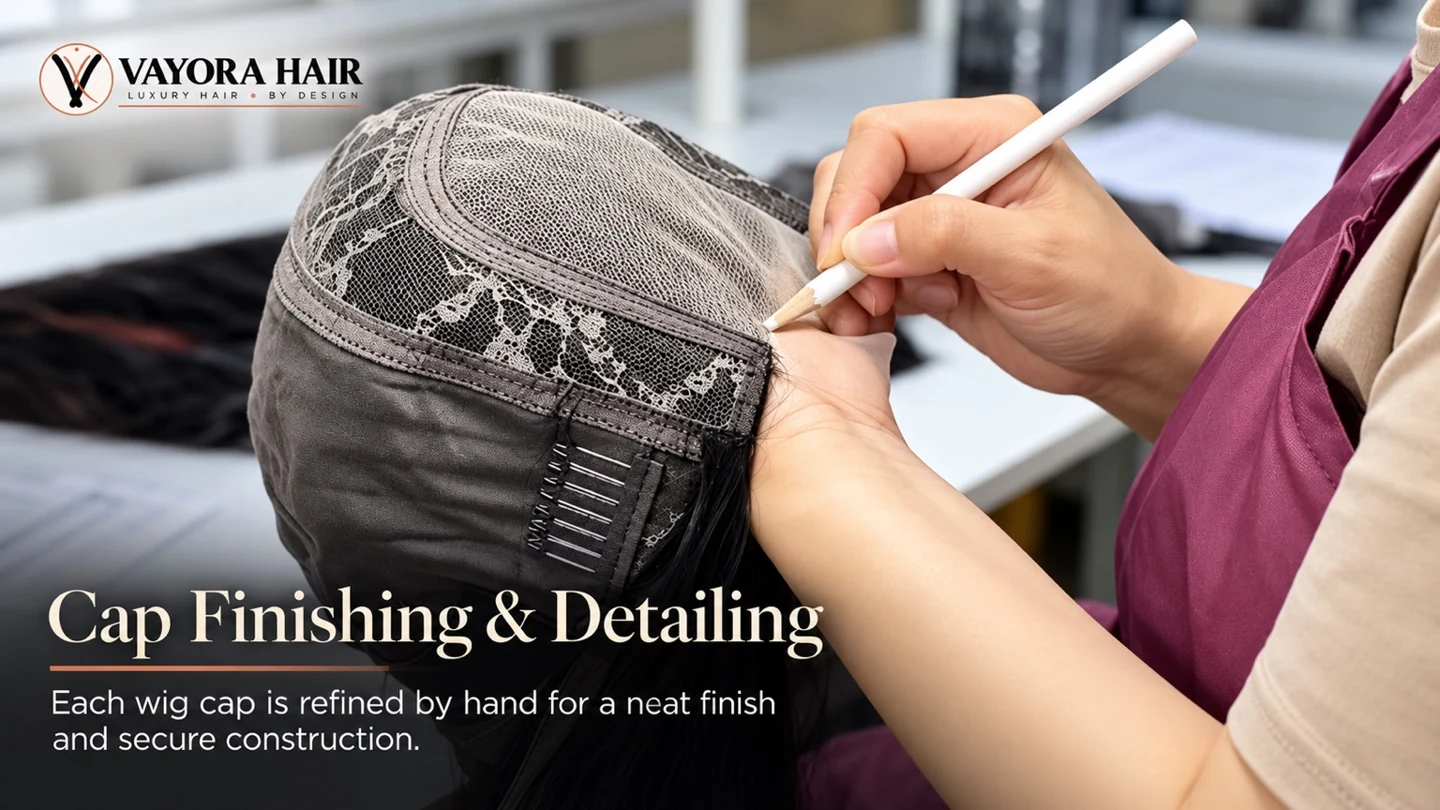
Image credit: vayorahair.com
A wig retailer developing its own products can view such observations as more than simple feedback. They identify opportunities to create wigs customers genuinely like to wear.
Successful wig collections aren’t necessarily built around the latest viral hairstyle. The foundation is a solid understanding of the experience customers seek that buyers value.
What Customer Feedback Tell a Brand
Customers rarely describe their needs using manufacturing terminology. The language customers use reflects practical priorities: comfort, convenience, appearance, and confidence. When a buyer asks for less preparation in the morning, a glueless design may be worth exploring. An unrealistic hairline may signal a problem with the appearance of the lace, knot treatment, density, or the way the part is designed.
Turning everyday customer concerns into measurable requirements is a capability to look for in a human hair wig manufacturer China brands choose.
The basic request for a 22-inch body-wave wig need not define the entire order. Buyers can also specify the intended wearing experience, cap fit, lace construction, hairline appearance, and finished weight. That level of detail gives the development team a clearer target.
Establish a Recognizable Private Label Collection
Many emerging wig brands make the mistake of building their catalogs around whatever products are currently popular. Such an approach can leave the brand with a catalog that closely resembles competitors’ offerings.
Working with a private label wig manufacturer China retailers can collaborate with allows brands to develop a more consistent product identity. A brand could focus on lightweight daily-wear wigs, a premium range with realistic hairlines, or ready-to-wear styles for customers who want minimal preparation. The shared customer commitment should guide texture, length, color, density, cap construction, and packaging. When a range has a recognizable identity, customers have a reason to return that goes beyond a short-term discount.
Glueless Design Go Beyond a Name
The straightforward label “glueless” does not capture the construction factors that determine the wearing experience. Cap sizing, adjustment features, attachment components, lace preparation, and hairline design all influence how comfortably and securely a wig fits.
A buyer working with a glueless wig manufacturer China brands select should expect help in establishing these requirements before manufacturing starts. A brand serving first-time wig users, for instance, might focus on manageable density, pre-cut lace, and simple adjustment features. Different design customization choices might be necessary in a collection aimed at professional stylists. Neither approach is automatically better. Each is intended for a distinct type of buyer.
Protect Your Brand’s Reputation Through Sampling
A product photograph cannot tell you everything about a wig. Buyers need to examine how the cap fits, how the hair moves, whether the color matches expectations, and whether the finished construction reflects the approved design. The sample stage creates an opportunity to detect differences ahead of a higher-volume purchase.
For a wholesale human hair wigs supplier, documented specifications and quality-control procedures are especially important when the same style must be produced repeatedly. Even a good first production run may be hard to replicate consistently if adequate references are unavailable.
Developing a Scalable Collection With a Clear Direction
For B2B wig brands, retailers, and distributors, VAYORA offers assistance with product development, private label services, sampling, specification control, and repeat-production workflows. Physical details that affect the look, fit, and feel of a wig are connected to customer expectations through this approach.
Before expanding a catalog, brands should examine customer feedback, identify their strongest product opportunities, and establish clear approval standards. A successful next collection might not depend on offering additional styles. What may matter more is fewer trade-offs in the styles that customers already desire.
