For a long, long time, edge computing was viewed as something expensive and complex and was usually reserved for large enterprises that had specialized hardware. The perception has changed today. Companies across the UK have realized that flexible systems with low costs will yield powerful results with no overly complex.
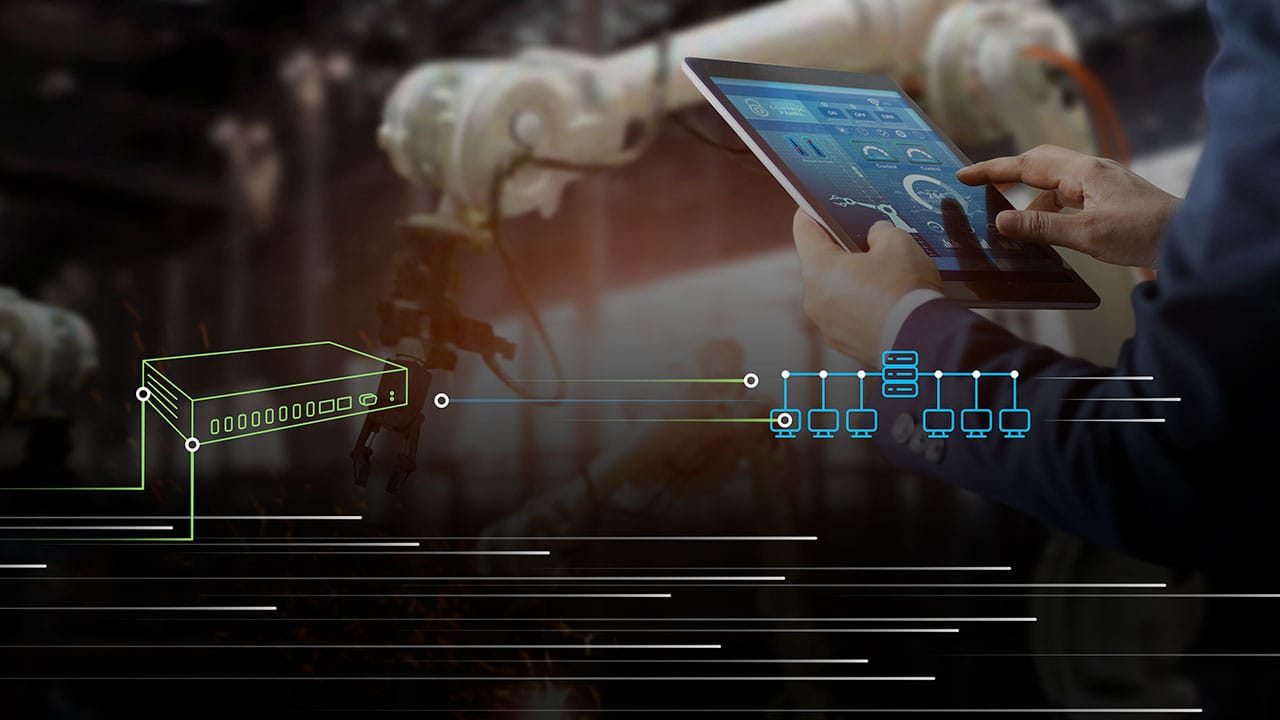
Platforms that can be scaled and simplicity are at the heart of this era. The edge computing platforms that UK businesses are now relying on are very different from traditional systems. The companies are shifting their processing from central data centers closer to the source of data.
This new shift increases speed, decreases latencies, and provides opportunities for real-time decision-making.
Small Devices to Enterprise Systems
The Raspberry Pi has come a considerable distance from its first reputation as a tool for learning. It was once a gadget for hobbyists and is now utilized in real-world infrastructures in industries such as manufacturing, logistics and smart environments.
Companies can transform one device, like ScalerPi into a more coordinated larger system by using platforms like ScalerPi. The Raspberry Pi cluster production use model lets multiple units be integrated, creating a distributed system capable of handling large workloads.
This technique allows to grow from a small prototype to thousands of connected devices, all connected and working together.
Kubernetes at the Edge
Modern infrastructure is typically dependent on orchestration and containerized applications. Kubernetes is now a common method for managing these environments, but operating it at the edges poses new problems.
A Kubernetes-on-premise solution is an opportunity to control your system and still gain the flexibility offered by container orchestration. Instead of relying entirely on cloud-based providers, companies can set up and manage local systems.
This creates a balance between efficiency and control, allowing organisations to adapt their infrastructure according to specific operational requirements. ScalerPi bridges that gap through combining the hardware know-how of ScalerPi and the latest software methods. This makes more advanced deployments cheaper.
Why Data Sovereignty is Increasingly Important
Businesses are becoming more aware of where their data is stored and processed as the regulations for data processing become more complex. Cloud providers are typically external, which can raise concerns about compliance and oversight.
A sovereign cloud solution UK organizations can implement offers a way to keep data within national boundaries while maintaining high performance. This will ensure sensitive data stays secure and in compliance with local laws.
Businesses can benefit from flexibility and accountability by integrating edge computing into the infrastructure of sovereign institutions. Data is processed close to its source but is controlled.
Simpler deployment of complex deployments
One of the biggest challenges in edge computing is managing huge quantities of devices. As deployments expand, maintaining performance, security, consistency and consistency becomes more difficult.
ScalerPi can solve this issue by providing an all-stack solution which includes hardware, device management as well as consulting. The integrated model makes it easier to manage the process, allowing teams to concentrate on their projects rather than the infrastructure.
Edge computing solutions that UK businesses can trust should not require constant intervention. The solution should be able to automate tasks to monitor performance and assure security for all devices.
Building Systems that Scale with Trust
To go from a small prototyping and testing environment to a full production environment it is essential to plan carefully. Each step presents new challenges, from selecting the right the hardware to the software integration, and finally regular maintenance.
A Raspberry Pi cluster production use strategy facilitates this transition by providing an established framework for growth. Businesses can grow at their own rate by expanding their devices or making adjustments without interrupting the overall system.
This flexibility can be advantageous to companies who want to try out new technologies or expand into new markets.
A Future of Control and Flexibility
Future infrastructures will continue to be flexible, flexible and efficient. Businesses don’t want to be bound by rigid systems that limit innovation.
Utilizing tools like an on-premise solution for kubernetes and a sovereign cloud service UK, organizations gain greater control over their operations and data. With the ability to scale Raspberry Pi clusters, these tools provide a solid foundation for the long-term expansion.
Edge Innovation: Moving Forward by implementing Edge Innovation
Edge computing is no longer just an trending concept. It is now a practical solution for modern issues. Companies can design devices that are both powerful and efficient by combining low-cost equipment, cutting-edge software and other technology.
ScalerPi helps businesses bridge the gap that exists between physical and cloud computing. With its thoughtful design and secure deployment, it’s making edge computing more accessible to organizations of all sizes.
As businesses continue to investigate the potential of distributed computing Their success will be measured by their ability to scale up securely and effectively.
